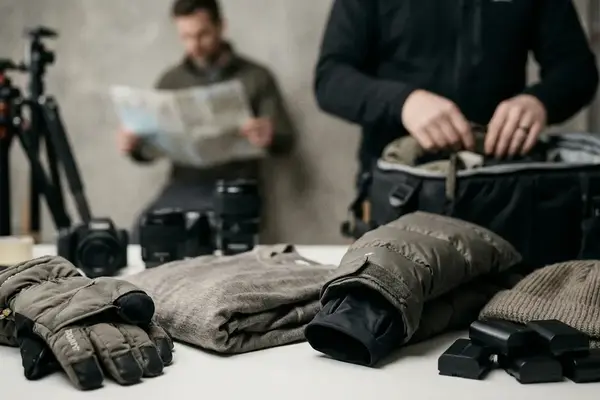
Essential Cold-Weather Garments and Accessories for Winter Photography Expeditions

Use ESC to close


Early in my career, I chased the golden hour like everyone else. I quickly realized that limiting myself to two hours of workable light per day restricted my creative output. By integrating infrared capture and extended exposures into my workflow, the harsh midday sun became an asset rather than a liability. This shift requires a deep understanding of sensor behavior and optical physics, but it unlocks a visual language that transcends standard documentation.
Participant reviews from recent field sessions reveal a common hurdle: transitioning from technical execution to creative intent. We focus on bridging that gap. You learn to read the movement of clouds, the flow of water, and the invisible spectrum of light, translating those elements into a cohesive final image.
Explore specialized techniques and field-tested methodologies across these primary focus areas.


A frequent question I receive during seminars involves managing color shifts in false-color infrared photography. Photographers often struggle with muddy skies and inconsistent foliage rendering after converting their raw files.

The solution begins before you press the shutter. Establishing a custom white balance on a neutral subject—like green grass or a gray card, while shooting through your specific IR filter is critical. This initial calibration dictates how your raw processor interprets the channel data. If you rely on auto white balance, the camera attempts to neutralize the overwhelming red cast, resulting in a file that requires aggressive, destructive color grading.
Once imported, creating a custom DNG profile allows for precise channel swapping. I detail this exact process in my guide on infrared conversion workflow with custom white balance. While these custom white balance techniques yield optimal results for 720nm conversions, sensor variations across different camera bodies require individual calibration.
Reading about a technique provides a foundation. Executing it in dynamic weather conditions solidifies the skill. Many photographers start by experimenting with basic exposure bracketing in their backyards. The progression path naturally leads to complex environments where light changes rapidly and compositional decisions must be made instantly.
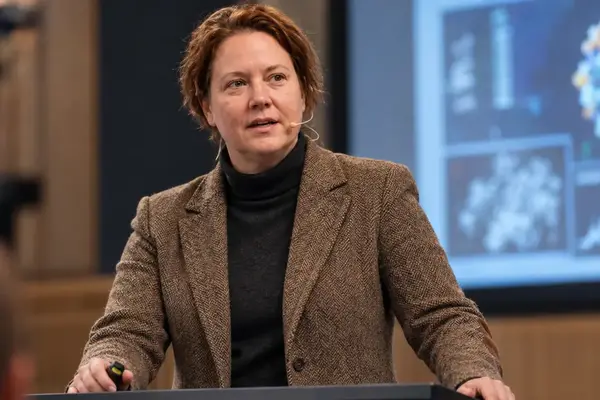
Under the direction of Deborah Sandidge, our instructional approach emphasizes in-field problem solving. We bypass theoretical lectures in favor of hands-on application. Whether you are calculating exposure times for a 10-stop ND filter on a coastal shoot or managing dynamic range in a high-contrast urban environment, real-time feedback accelerates your development.
Based on participant feedback, photographers who join structured, multi-day field sessions tend to retain advanced techniques at a noticeably higher rate than those relying solely on self-guided study. The immersive environment forces you to adapt and refine your vision.
Join an Upcoming Workshop
Study the subject from every angle.
Sketch the layout and core points.
Build complete, reliable content.
Polish and confirm the facts.
Make it live for everyone.